

News|Videos|January 31, 2025
Addressing Neurologic Toxicities in CAR-T Therapy: Monitoring, Management, and Patient Communication
The discussion focuses on monitoring and managing neurologic toxicities like ICANS in CAR-T therapy, highlighting tools for early detection, effective management strategies, and approaches to communicating risks with patients and caregivers.
Advertisement
Episodes in this series
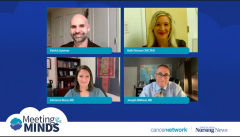

Video content above is prompted by the following:
- Neurologic toxicities, such as ICANS, pose unique challenges. How do you approach monitoring and management of these events in your practice?
- What tools or assessment methods help you identify early signs of neurotoxicity?
- How do you communicate these risks to patients and their caregivers?
Advertisement
Related to this article
As bispecifics and cell therapies move outpatient, Kate Kennedy, MSN, APRN, says nurses and APPs should focus on education and atypical infections.

A 3-minute video and quick-reference list of October's 7 FDA cancer approvals, with the biomarker and monitoring points nurses need for each.
Oral vitamin C did not slow clonal growth in the phase 2 EVITA trial but was linked to longer survival.
Kathryn Shady, PhD, RN, OCN, discusses research on emotional dissonance and vicarious trauma among hematology/oncology nurses.
Ellery Palanuk, MSN, RN, CN-BN, explains how navigators rely on multidisciplinary teams and tumor boards as breast cancer treatment evolves.
At EONS 2026, a City of Hope nurse practitioner explains how shifting immunotherapy from infusion to injection can free nurse and chair time.
Oncology nurses play a key role guiding patients about AI breast cancer risk assessment tools, dynamic re-testing, and individualized screening plans.
Dana-Farber nurse practitioners outline ADC patient selection, sequencing, ILD surveillance, and patient education from JADPRO Live 2026.
Advertisement
Advertisement
Trending on Oncology Nursing News
1
Education, Infection Vigilance Define Outpatient Bispecific Care
2
October 2026 FDA Approvals: 7 Cancer Updates for Oncology Nurses
3
What Nurses Should Tell Patients About Vitamin C in CCUS and MDS
4
Breast Cancer Diagnosis: How Nurses Can Ease the Emotional Shock
5